
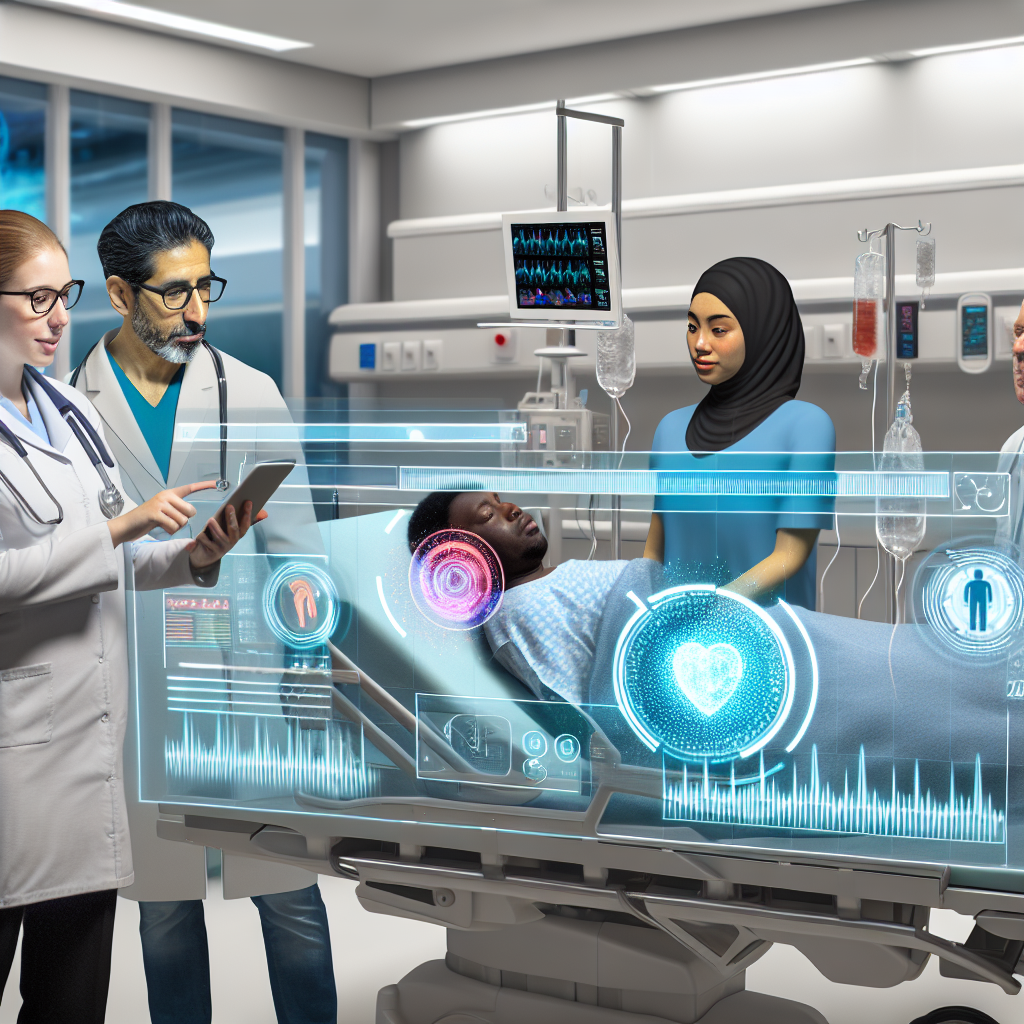
AI-based ICU Data Collection and Analytics Platform
Introduction
In recent years, the integration of artificial intelligence (AI) in healthcare has revolutionized patient care and medical research. As ICUs (Intensive Care Units) become increasingly data-driven, the adoption of an AI-based ICU data collection and analytics platform offers a promising advancement in the management of critical care patients. This transformative approach not only enhances the efficiency of healthcare providers but also improves patient outcomes.
The Need for Intelligent Data Management in ICUs
Effective management of ICU resources is essential for both patient care and operational efficiency. The traditional methods of data collection in ICUs can be incredibly resource-intensive and error-prone. Healthcare providers often struggle to process and analyze large volumes of patient data within short periods. Some challenges include:
–
–
–
This is where an AI-powered platform can become invaluable, bringing substantial improvements to both data management and patient care quality.
Introducing AI-Based ICU Platforms
AI-based ICU data collection and analytics platforms serve as an integrated solution that effectively manages and analyzes patient data. These platforms employ sophisticated algorithms and machine learning models to seamlessly capture, process, and interpret data from a multitude of sources, including:
–
–
–
Such platforms provide real-time insights and predictive analytics that empower healthcare providers to make informed decisions quickly.
Key Features of AI-Based ICU Platforms
Real-Time Data Collection and Processing
AI-based systems continuously collect data from a wide array of monitoring equipment and hospital databases. This enables:
–
–
–
Advanced Analytical Capabilities
AI analytics provide in-depth insights by processing vast amounts of data that would be impossible for humans to do in a reasonable time frame. Key competencies include:
–
–
–
Interoperability and Scalability
The best AI-driven systems support integration with multiple healthcare systems, such as:
–
–
This interoperability ensures seamless data flow and comprehensive patient profiles across platforms. Scalable solutions are also crucial for accommodating changes in patient volume without compromising performance.
Benefits of AI-Based Platforms in ICU
Improved Patient Outcomes
With predictive analytics, healthcare providers can anticipate complications before they arise, leading to:
–
–
–
Optimized Resource Utilization
AI platforms streamline processes by reducing manual workloads for healthcare providers, allowing them to focus more on patient care rather than data management. This enables:
–
–
–
Data-Driven Decision Making
Empowered by comprehensive data insights, healthcare teams can make more accurate and timely decisions. This fosters:
–
–
–
Challenges and Solutions in Implementing AI-Based Platforms
Data Privacy and Security
With the increasing volume of digital health data, maintaining patient privacy is crucial. AI platforms should employ robust encryption and security protocols to ensure data protection.
Integration with Legacy Systems
Hospitals may face challenges when integrating AI platforms with older systems. Solutions involve adopting middleware solutions and working with IT partners to ensure smooth transitions.
Training and Adoption
Adoption of new technologies often requires extensive training. Providing healthcare professionals with ongoing training and support ensures effective use of AI technologies and maximizes potential benefits.
Conclusion
As AI continues to revolutionize the medical landscape, an AI-based ICU data collection and analytics platform represents a significant step forward in critical care management. These platforms not only streamline operational efficiencies but also significantly enhance patient safety and outcomes. As healthcare continues to evolve, integrating AI will remain a pivotal strategy in transforming ICU environments into smarter, data-driven centers of excellence.
Such innovation encourages a future where technology and healthcare work hand in hand to save lives and improve the quality of care, marking a new era in critical care management.