
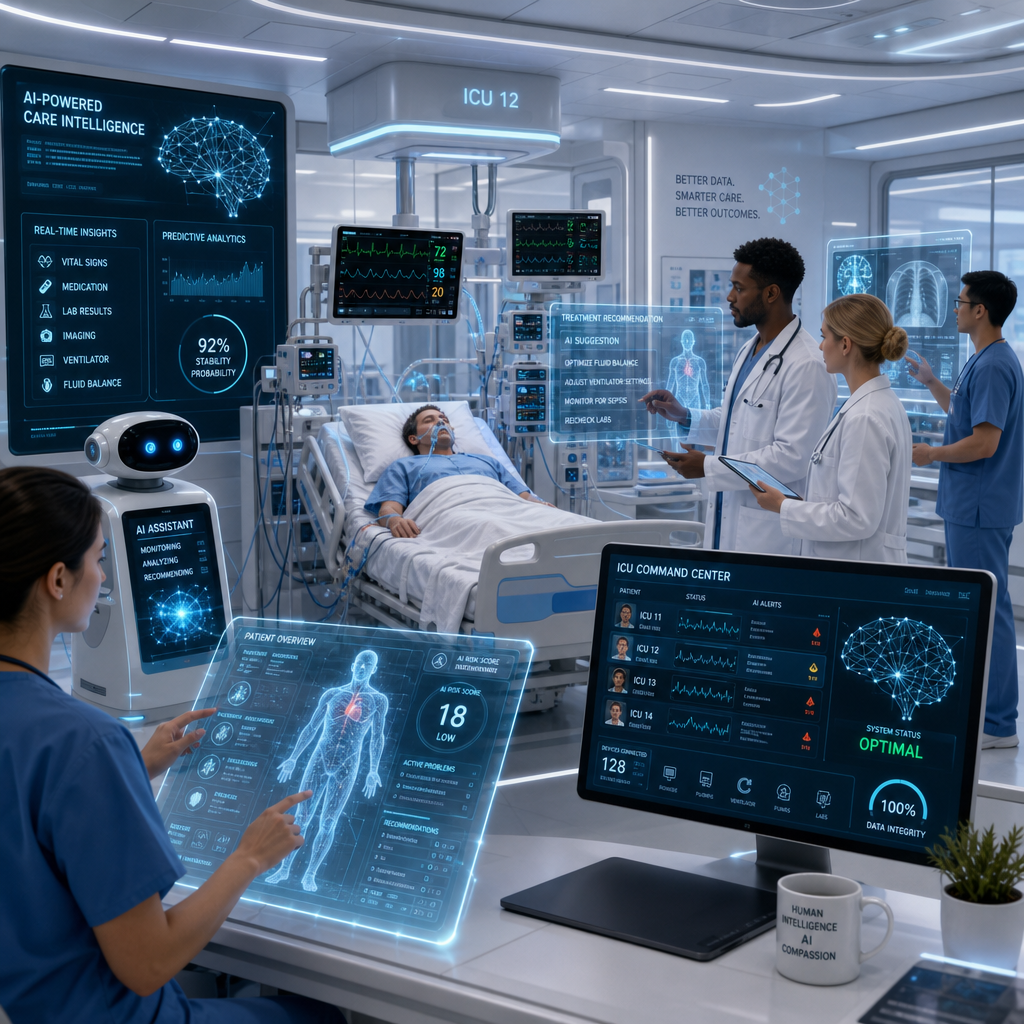
AI-based ICU Data Collection and Analytics Platform
In the rapidly advancing field of healthcare, the integration of artificial intelligence (AI) has emerged as a revolutionary tool, especially in high-stakes environments like the Intensive Care Unit (ICU). The complexities and critical nature of ICU care necessitate the use of cutting-edge technology for monitoring and decision-making. An AI-based ICU data collection and analytics platform is transforming the way healthcare professionals manage patient care, enhancing both the efficiency and quality of medical services.
Revolutionizing ICU Data Collection
ICUs are dynamic environments where critical data is constantly generated. Correctly interpreting this data is crucial in making timely decisions that can save lives. Traditional data collection methods, however, often struggle to keep up with the sheer volume and speed of data input. This is where AI comes into play.
The Benefits of AI in Data Collection
AI platforms in the ICU offer several compelling advantages:
Enhancing Decision-Making Through Analytics
One of the standout features of an AI-based ICU platform is its ability to perform complex analyses of collected data. By leveraging machine learning algorithms, these platforms can predict potential complications, personalize treatment plans, and optimize resource utilization.
Predictive Analytics
The ability to predict patient outcomes is a critical component of ICU care. AI-based platforms utilize predictive analytics to:
Personalized Treatment Plans
The era of one-size-fits-all medicine is fading, and AI is at the forefront of personalized healthcare. These platforms can:
Optimizing Resources
Consideration for hospital resources is a vital aspect of ICU management. AI-based platforms offer solutions for:
Challenges and Considerations
While the potential of AI in ICUs is immense, there are challenges and considerations that healthcare providers must address.
Data Privacy and Security
A platform handling sensitive patient data must adhere to strict data privacy standards. Ensuring robust cybersecurity measures is crucial to protect patient information.
Integration with Existing Systems
Implementing AI-based platforms requires seamless integration with existing hospital systems. This necessitates careful planning and potentially significant IT infrastructure upgrades.
Training and Adaptation
Healthcare professionals must be adequately trained to utilize AI tools effectively. This includes understanding AI-generated insights and integrating them into the care process.
The Future of AI in ICU Care
As AI technology continues to evolve, its role in ICU care is set to expand further. Future developments may include more sophisticated predictive models, deeper personalization of care, and even broader data integration from wearable technology.
AI Augmented Human Intelligence
While AI will increasingly aid in clinical decision-making, it is crucial to remember that it is meant to augment, not replace, human judgment. Doctors and nurses will always play an essential role in patient care, with AI serving as a powerful tool to enhance their capabilities.
Conclusion
The advent of AI-based ICU data collection and analytics platforms marks a pivotal moment in healthcare innovation. By enhancing data accuracy, improving decision-making, and optimizing resource allocation, these platforms are set to redefine patient care in critical settings. As they become more integrated into healthcare systems, they promise to deliver significant improvements in patient outcomes, operational efficiency, and cost-effectiveness. Embracing these technologies will be vital for healthcare providers committed to delivering top-tier medical care in the 21st century.